Action stations: Time for a rethink on fleet finance
- 31 October 2025
- 0
A changing economic landscape in the UK means time is ripe for looking into fleet finance, believes Colin Melvin, commercial director at Fraikin. The automotive sector has always

A changing economic landscape in the UK means time is ripe for looking into fleet finance, believes Colin Melvin, commercial director at Fraikin. The automotive sector has always
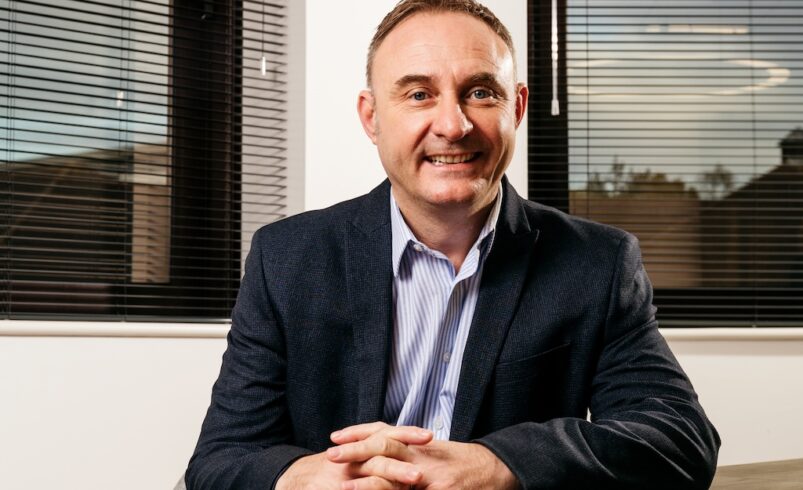
A changing economic landscape in the UK means time is ripe for looking into fleet finance, believes Colin Melvin, commercial director at Fraikin.

The automotive sector has always been a complex space in which to operate, but 2025 has been especially challenging. Tariffs and trade war threats have created unexpected obstacles for all stakeholders – from sole operators and major fleets to vehicle manufacturers and suppliers – compounding the usual struggle to balance growth and financial stability.
Keeping everything inhouse obviously has some benefits, but that approach also exposes businesses to many operational and financial risks. Given the current economic climate, what we’re seeing is more operators concluding that financing assets is a far more effective ownership model.
A significant benefit in favour of financing is the security it delivers. Though contract hire or long-term rental agreements obviously entail significant investment, these packages provide customers with complete financial transparency, as well as a consistent and manageable monthly cost.
Contrast this with the substantial initial costs when purchasing vehicles outright – and the potentially costly ongoing unexpected expenses – and it’s clear businesses are reaching the conclusion that outright ownership may not be the right solution.
In addition, looking at the finance route offers businesses – particularly smaller and medium enterprises – the chance to acquire newer vehicle models and technologies far earlier than if they were to buy their vehicles.
Advances in vehicle technology and connectivity offer major efficiency and safety gains, but for many operators the upfront costs can be hard to justify. By financing vehicle purchases, fleets need not wait. They can integrate cutting-edge operational and safety systems into their business as soon as possible, granting themselves with immediate access to the short- and long-term benefits these advances bring.
This logic also extends to operators looking at ways of introducing new alternative fuel vehicles into their fleets. There is a clear preference in the market for the businesses that are interested in acquiring electric vehicles to opt for leasing or contract hire. A large part of that thinking centres around anxieties on servicing, maintenance and repair management of these new powertrain technologies that many inhouse mechanics are not yet experienced with. A core part of the Fraikin offering is mitigating these residual value risks to help customers accelerate their decarbonisation goals.
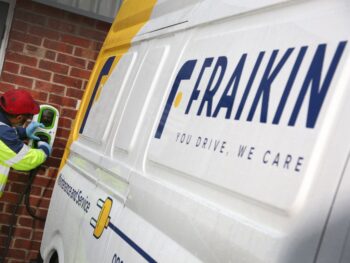 This commitment also extends to our rental fleet – which has recently been the subject of a multi-million-pound investment. Part of that programme has included acquiring non-diesel trucks and vans to allow customers to operate valuable trials with alternative-fuelled options on medium- and long-term hire. From there, they can call on our expertise and industry connections to develop a workable plan on how best to introduce them into their operation on a more permanent basis.
As year’s end rapidly approaches, Fraikin – and the UK’s automotive industry as a whole – is preparing for an uncertain climax to 2025. The UK economy’s Q1 growth was promising, but things have changed a lot since then and the country’s current landscape appears a whole lot less certain. Regardless of the outlook, for businesses that need to refresh their fleets, there’s no time to sit on the fence.
By choosing contract hire or longer-term rental services, these companies can grant themselves the freedom to focus on their core strengths, regardless of how the picture changes. By outsourcing fleet responsibilities to specialists, they can reduce risk, optimise resources and drive sustainable growth.