Supplier Stories: ONO
- 23 July 2025
- 0
ONO’s founder and CEO Renee Rogers explains how the company is raising the bar for fleets with smarter incident reporting. Despite major advances in fleet technology, incident reporting

ONO’s founder and CEO Renee Rogers explains how the company is raising the bar for fleets with smarter incident reporting. Despite major advances in fleet technology, incident reporting
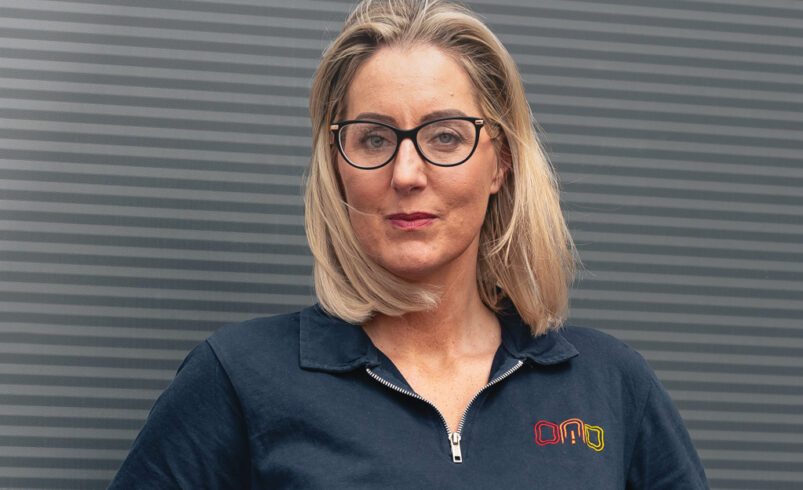
ONO’s founder and CEO Renee Rogers explains how the company is raising the bar for fleets with smarter incident reporting.

Despite major advances in fleet technology, incident reporting remains a stubbornly manual process for many operators – it’s slow, inconsistent and costly. Drawing on my experience running a large fleet, I founded ONO to address this critical gap. While data surrounds modern fleet operations, the real challenge is capturing the right information at the right moment, to drive timely decisions and lasting improvements.
In many fleets, incident reporting is still largely manual. It often depends on drivers recalling events long after they happen – scribbling notes on paper forms, or phoning in fragmented details. That data is then passed through a series of emails, spreadsheets and follow-ups before it reaches the teams that are responsible for managing claims, maintenance or driver feedback.
This delay not only compromises the accuracy of First Notification of Loss (FNOL), it also leaves fleets with blind spots – areas where the consequences of an incident are being managed reactively, rather than strategically.
Timeliness is the most underleveraged variable in incident management. The first five minutes after an incident are critical, not just for capturing accurate data, but also for setting the tone of how the situation will be handled.
When drivers have the tools to report immediately through structured, intuitive workflows that support image capture, location tagging, time stamps and integration with preferred repair or claims networks, the downstream benefits multiply. Claims move faster. Liability is easier to assess. Repeat patterns become easier to spot.
One reason this part of the process often lags behind is because it’s inherently human. Unlike telematics or maintenance software, incident reporting relies on people – often drivers under stress – to take action quickly and correctly. If the system is slow, confusing or overly demanding, reporting is delayed or done poorly.
That’s why usability must be a design priority. At ONO, we’ve seen that by reducing cognitive friction at the roadside – through clear layouts, multi-language accessibility and automatic data capture – driver engagement improves significantly. That, in turn, creates cleaner, more consistent data that managers can use with confidence.
Raw data has limited value without structure. When incidents are reported through a system designed to prompt the right information at the right time, fleet managers gain access to powerful trend indicators, such as recurring locations, time-of-day patterns or frequency by driver. This scenario allows for targeted interventions, from training and routing changes to broader policy adjustments.
And when data is clear and shareable, the entire claims ecosystem benefits. Brokers, insurers and repair providers can act faster and with more certainty, shortening cycle times and reducing excess exposure.
Perhaps most importantly, a smarter incident reporting process builds trust. ONO supports informed decision-making without compromising trust. Fleets stay in control of when, how and with whom data is shared.
That means providing fleet managers with the insights they need, without overwhelming them – and giving drivers a tool they’re willing to use. It’s about transparency, not control. Accountability, not fear. If a driver knows they’ll be treated fairly, they’re more likely to report early and accurately. That’s how you change a safety culture.
As the fleet industry continues its digital transformation, we should be aiming not just for more data, but for data that helps us act. Incident reporting may not be the most glamorous part of fleet tech, but it’s one of the most consequential.
The fleets that succeed tomorrow will be the ones investing in smarter inputs today – systems that make reporting simpler, data cleaner and decision-making sharper. Because, in the moments after an incident, clarity is everything.