Diesel hits all-time record of £2 a litre with ‘no signs of slowing’
- 2 October 2026
- 0
The average price of a litre of diesel in the UK has passed the psychological £2 barrier, hitting a record high of 200.01p in a punishing new milestone

The average price of a litre of diesel in the UK has passed the psychological £2 barrier, hitting a record high of 200.01p in a punishing new milestone
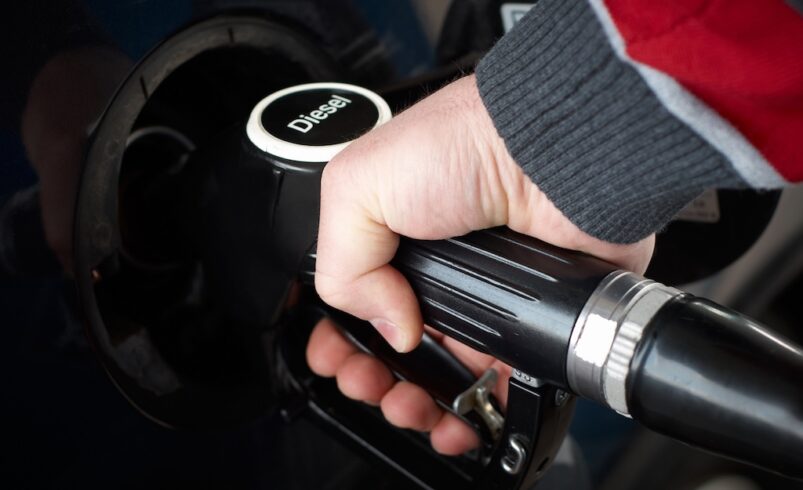
The average price of a litre of diesel in the UK has passed the psychological £2 barrier, hitting a record high of 200.01p in a punishing new milestone for fleets and drivers.
New data from the RAC shows the cost of filling an average family car has now soared to £110, marking a near-£32 increase since the start of the conflict in the Middle East.
Petrol prices are on the increase too, with a litre of unleaded costing 174.71p on average, around 42p more than at the start of the war. The cost of a full tank of unleaded now stands at £96 – £23.03 more than at the start of the US–Iran conflict.
Motoring experts warn there is no relief in sight for a crisis that will heavily impact high-mileage households and businesses – stretching everyone from daily commuters and sole traders to haulage firms and major fleets.
RAC head of policy Simon Williams said: “In a cruel twist, it’s diesel vehicles, which were once considered the most cost-effective option for lengthy journeys, that are now burning a hole in people’s pockets.”
For an average 45mpg diesel car, the cost works out at an extraordinary 20p per mile, so a driver covering 10,000 miles a year is now spending £2,020 on fuel.
The crisis leaves families with no choice but to cut spending, while businesses face the grim reality of passing increased costs down the line.
With no sign of a deal to reopen the critical Strait of Hormuz shipping routes, pump prices could climb significantly higher. The situation is further aggravated by a planned 10-week shutdown for essential maintenance at Fawley – the UK’s largest refinery – and looming threats from US President Donald Trump to ban diesel exports. While such a ban would provide domestic relief for American drivers, experts warn it will severely squeeze international markets already strained by the ongoing war with Iran.
As tension mounts, the US President is now demanding that European allies deploy their emergency reserves to stabilise the western market. Despite the growing global friction, the UK government said: “We have a diverse and resilient supply. We continue to engage with our international partners and the UK fuel industry.”
The RAC has suggested that retailing strategy also plays a role in the record-high prices. Analysis of RAC Fuel Watch data reveals that petrol prices are currently higher than market fundamentals suggest. According to the RAC, some retailers may be artificially inflating petrol margins to heavily subsidise diesel costs. Based on recent retail trends, unleaded should be averaging 170p a litre rather than its current inflated price.
The inflated costs at the pump arrive as families face rising electricity and gas bills too. Consequently, drivers will be looking to the Government to step in and ease the burden by lowering fuel duty further or reducing VAT in the Autumn Budget later this month.
Steve Gooding, director of the RAC Foundation, said: “If this government wanted to help drivers and businesses it could cut the amount of tax it takes.
“The Prime Minister says politics is about choices. Unfortunately most of the nation’s drivers don’t have the choice of whether to make a journey or not. They have to take the financial pain being inflicted on the forecourts.”
Jess Ralston, analyst at the Energy and Climate Intelligence Foundation (ECIU), commented: “Households are being hit from both directions, with higher fuel costs and rising energy bills as conflict in the Middle East sends global oil and gas prices upwards once again. Despite the attention given to new North Sea drilling, domestic production has been falling for years and more drilling won’t change the prices motorists pay, which are determined by international markets.”
Ralston added: “With Donald Trump now reportedly considering restrictions on US diesel exports, there is every chance prices could rise further. It is another stark reminder that Britain’s exposure to oil and gas leaves households at the mercy of events overseas. The Government says it wants to get the UK off the fossil fuel rollercoaster, but slowing the transition to electric vehicles would leave families locked in to these kind of price surges for even longer.”
Meanwhile, the rising cost of diesel is putting enormous pressure on logistics firms and hauliers, who have little room to absorb these increases. In fact, research from the Road Haulage Association (RHA) found that only one in 10 operators can pass the increase on in full, while eight in 10 are absorbing at least some of the additional cost and squeezing their margins. This puts already tight margins under even greater pressure, and operators are now having to scrutinise planned routes, fuelling decisions and the wider supply chain to minimise fuel costs wherever they can.
While the RHA said there is an understandable argument that fleets should simply switch to EVs, the reality is more complicated and overhauling a fleet requires significant investment. The trade body warns that without reliable charging infrastructure along the routes hauliers actually operate, the economics may not stack up.